Royal Society report: Unlocking thermal energy
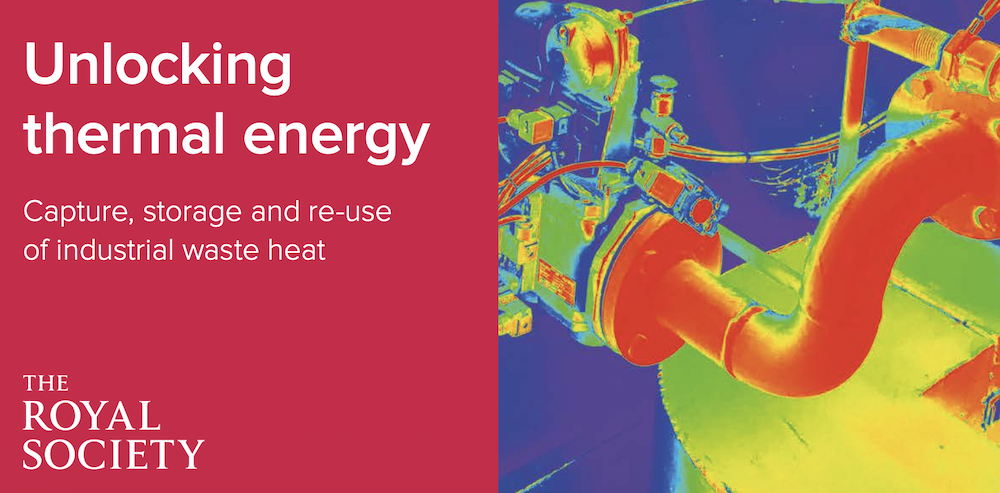
Developing systems to capture, store and reuse the vast amounts of waste heat generated through industry could be a huge opportunity for the UK to strengthen its industrial competitiveness and reduce operational costs for businesses, as well as accelerate progress towards net zero. Industrial heating accounts for around 14% of UK emissions, yet approximately half
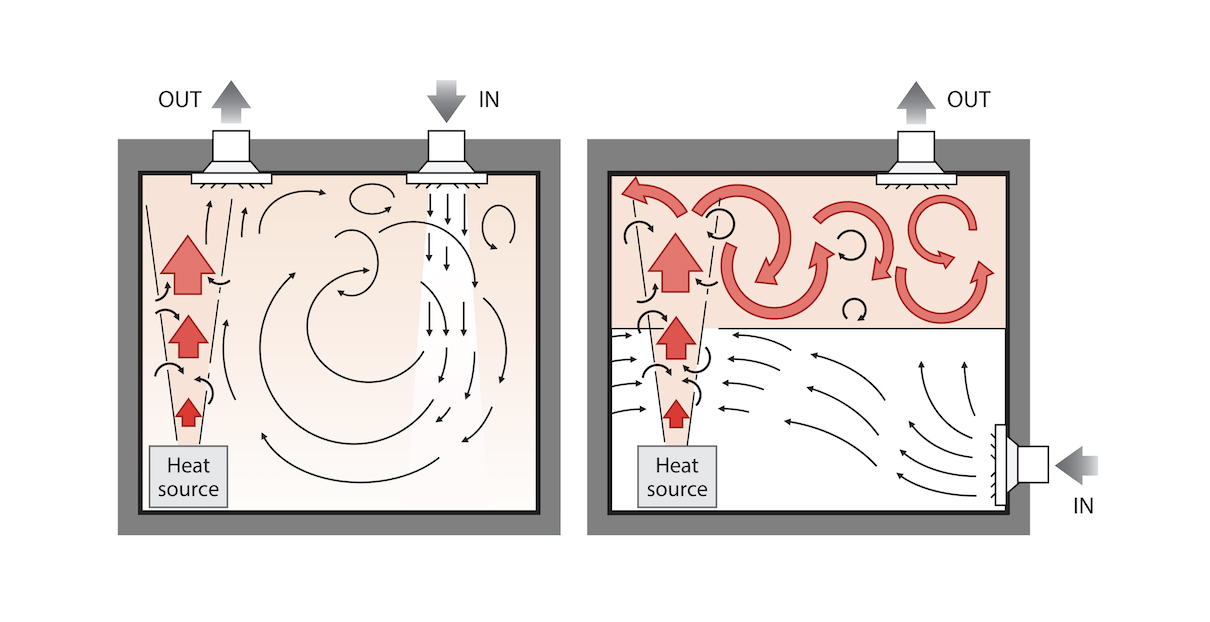

Fluid Mechanics for Green Buildings

Decarbonisation of buildings is one of the main challenges for the energy transition. In particular, the provision of heating, cooling, and ventilation to maintain a comfortable and healthy interior environment can be very energy intensive. Three approaches to help with the decarbonisation of buildings are: (a) upgrading the building envelope, especially the insulation, to reduce

Large-scale energy storage in salt caverns

Large-scale storage technologies are crucial to balance consumption and intermittent production of renewable energy. At times of excess production, some renewable energy might be converted into compressed air or hydrogen, which is then stored in underground salt caverns. The energy is recovered later, when renewable production becomes insufficient.  Herminio Tasinafo Honorio, from Delft University of