Mechanisms of electrolyte dipping for thin nitrile gloves
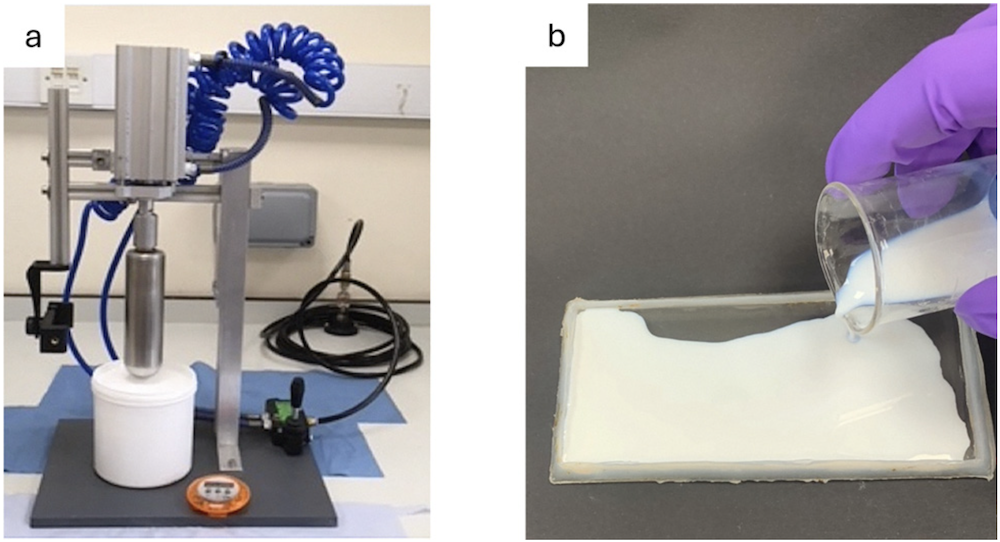
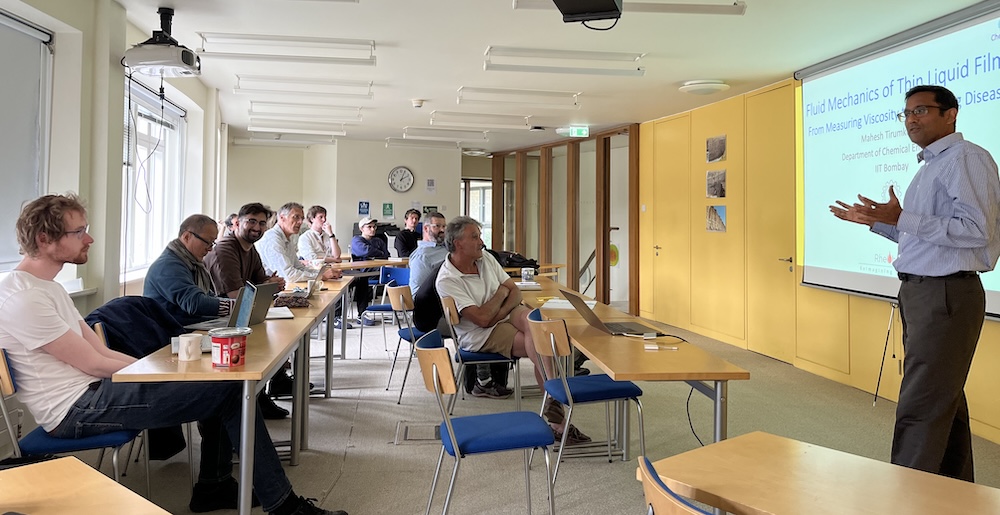
Thin elastomeric gloves are protective equipment and essential in many occupations. Their value in the health and care sector was demonstrated during the recent Covid-19 pandemic. Most thin gloves are made from aqueous polymer dispersions, often called a latex, using a dipping process. A hand-shaped mould is dipped into a saturated calcium nitrate solution, followed
Cleaning surfaces by convective dissolution

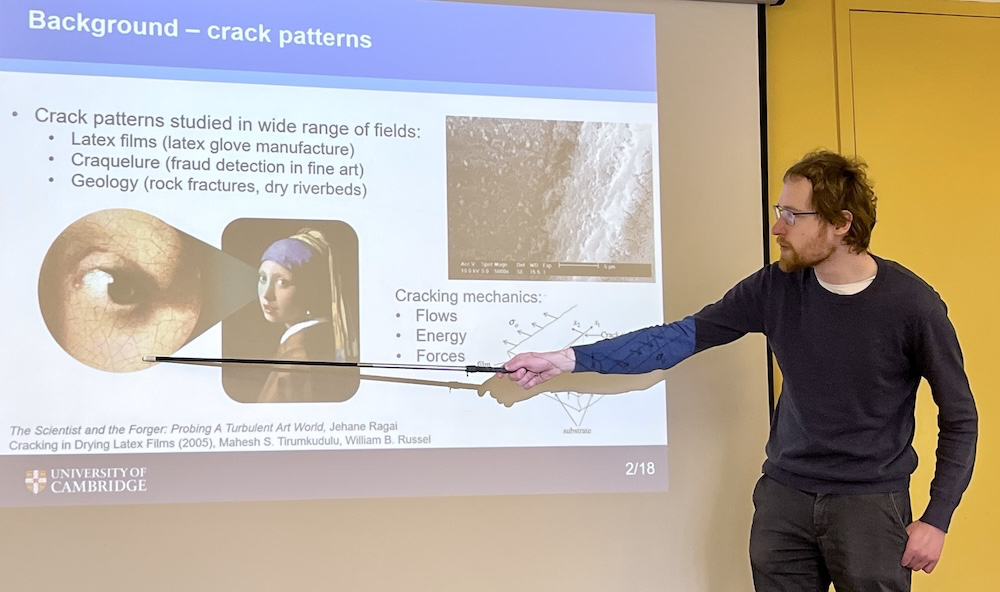
Cleaning is a regular and important process in the food, bioprocessing and pharmaceutical sectors, and is essential to remove fouling deposits and avoid contamination or product crossover. Industrial cleaning is often performed in place, by circulating liquids through the processing equipment in order to remove any residual product. These operations incur penalties in terms of

High-performance materials for hydrogen production

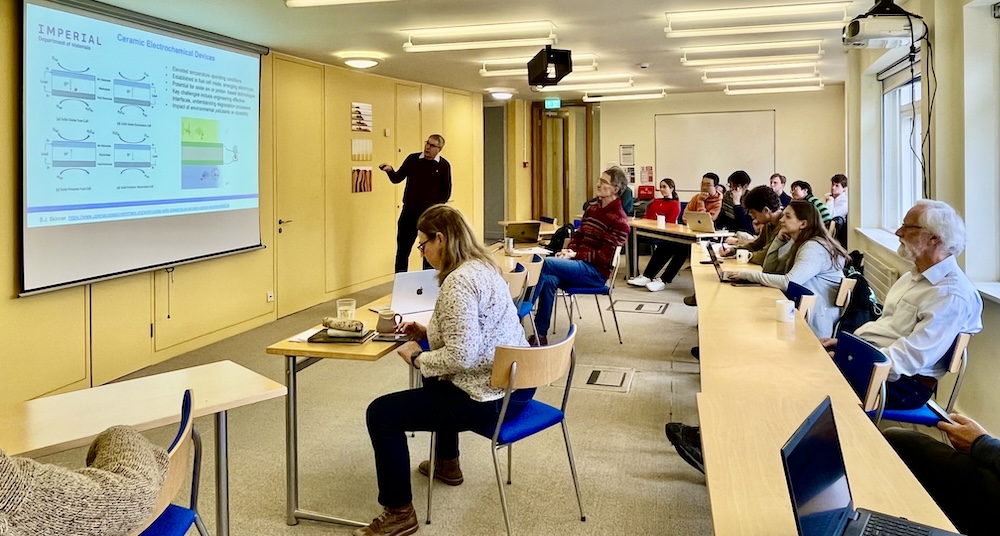
Investigating exsolution of metal nanoparticles is an area of evolving interest. Metal nanoparticles have been found to exsolve from metal oxides in the perovskite family under reducing conditions and investigated as fuel cell anodes. Professor Stephen Skinner works at the Department of Materials at Imperial College, and today spoke about the research his group has been carrying

Decoupling strategies in electrochemical water splitting

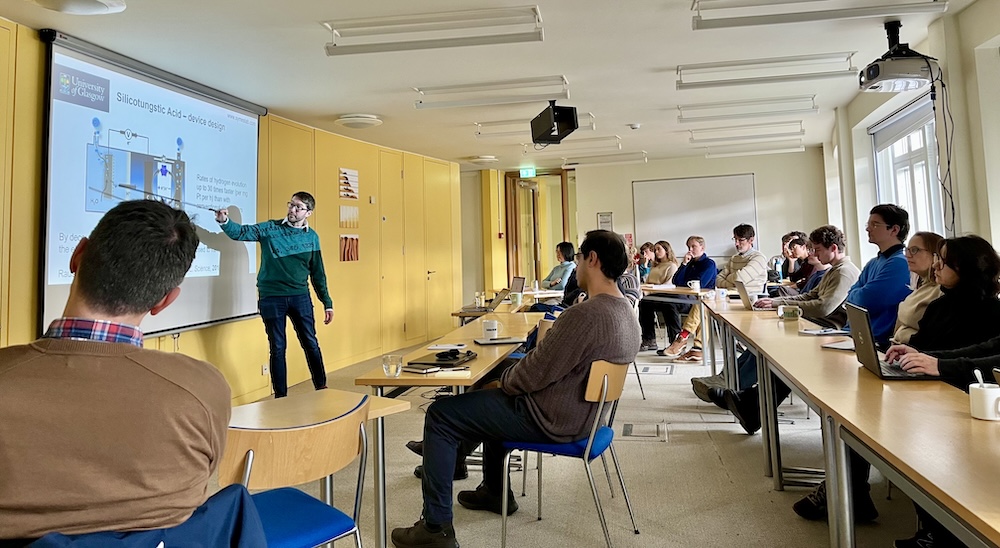
The storage of renewably-generated energy as hydrogen via the electrolysis of water is a fundamental cornerstone of a sustainable hydrogen economy. Conventional electrolysers usually require stable power inputs in order to operate effectively and safely and so may be unsuited to harnessing renewable power, which is often intermittent and diffuse. Professor Mark Symes, from the

New experimental insight to limit corrosion in CCS plants

Carbon dioxide-induced corrosion of industrial equipment is very common, costly and particularly poses new challenges for Carbon Capture and Storage (CCS) systems. The role of impurities, such as SOx and NOx, which are also present in the stream, can also be important and has been discussed recently (cf. Corrosion Science, vol. 236, August 2024).  A

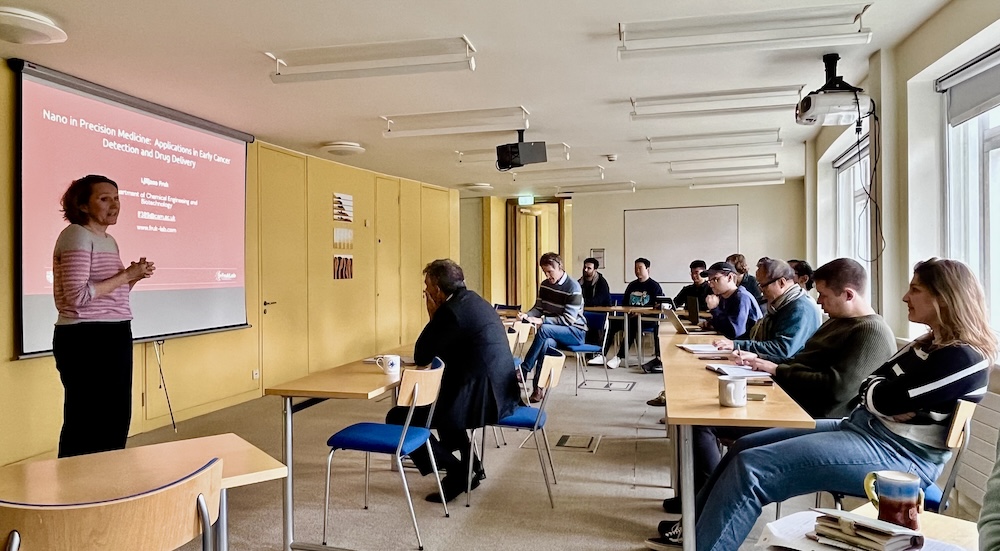
Early cancer detection using nanoparticles

Professor Ljiljana Fruk has been studying the design principles and biomedical applications of organic and hybrid nanomaterials. These can be used for real-time detection of senescent cells in the body.  Large concentrations of senescent cells in an organ might be a precursor to cancer, and so detecting these cells in the body might help early

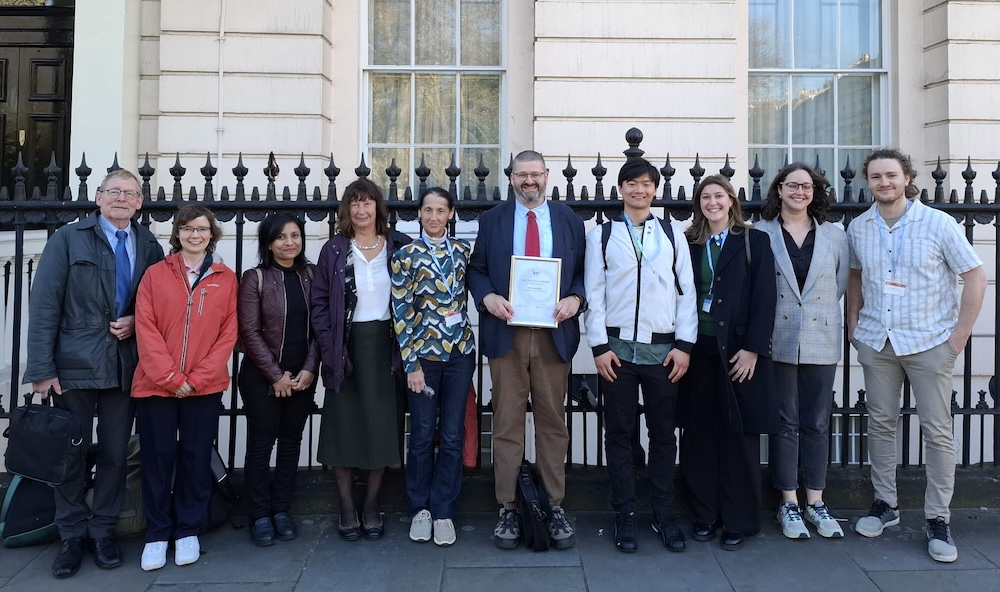
Professor Routh awarded the Thomas Graham Lecture

Professor Alex Routh has recently been awarded the Thomas Graham Lecture.  The Graham Lecture is awarded to researchers working in the UK, who are in the prime of their research careers, have established an international reputation in colloid science, and have already made distinguished contributions to the field of colloid science. On Tuesday 1st April,