Electrocatalysis for the production of green hydrogen

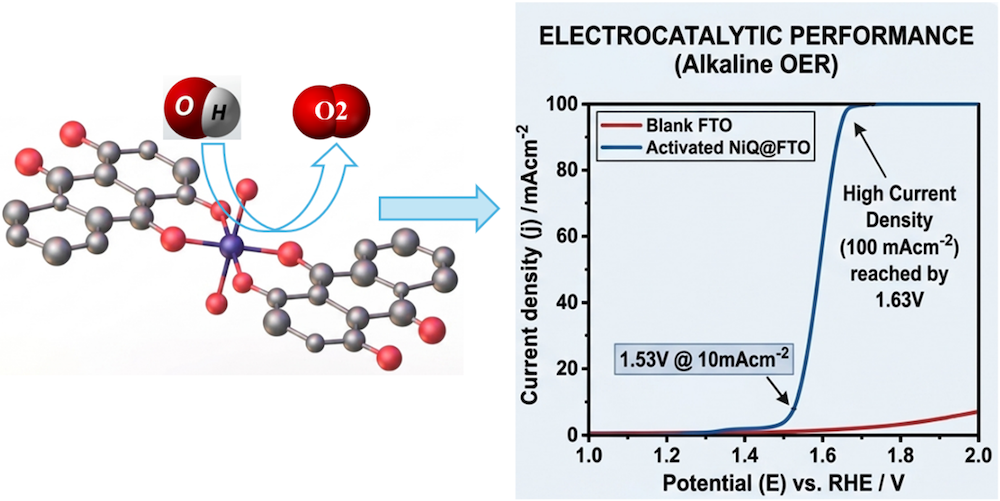
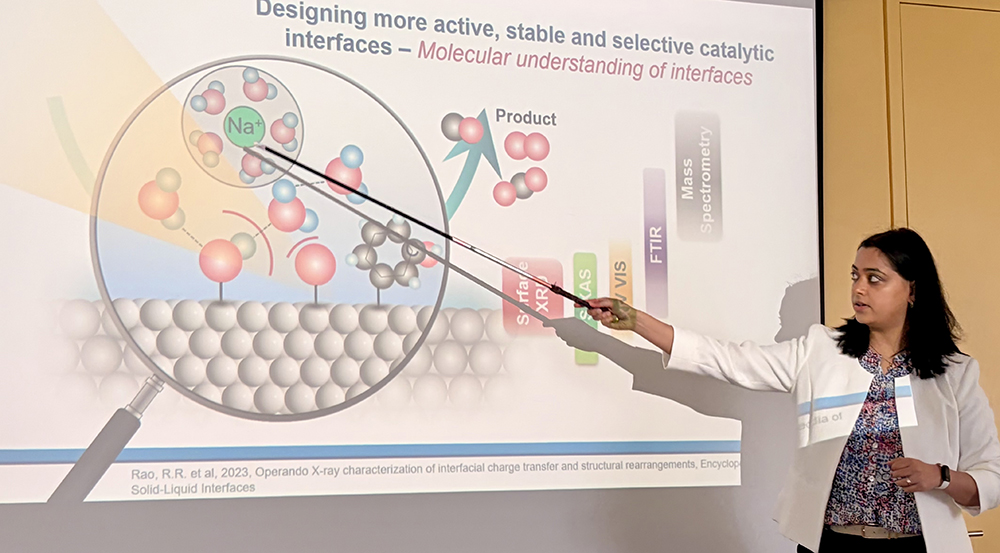
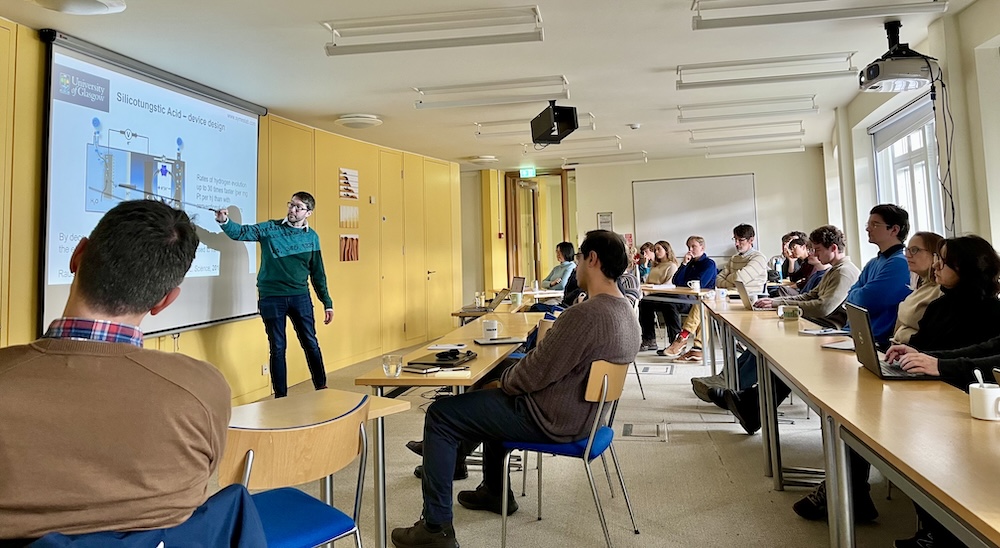
Green hydrogen is generated by splitting water molecules through electrolysis and producing it using electricity from renewable sources is crucial for transitioning to a net-zero economy. Proton exchange membrane (PEM) electrolysers are leading technologies for this process. Central to these systems is the oxygen-forming reaction, which demands strongly acidic conditions. This step, where water molecules

Powering the energy transition: novel materials, smarter fuels, and heat re-use

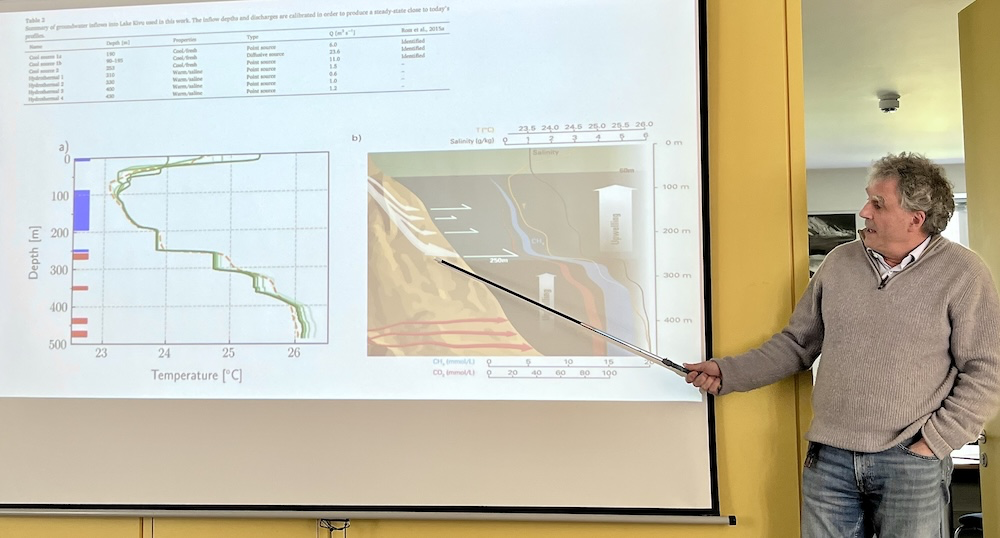
How do we deliver a low-carbon future while meeting the world’s growing energy demands? On Wednesday 29 April, a webinar brought together professors and researchers from the Institute to explore practical, scalable solutions for the energy transition. Chaired by Professor Stuart Clarke, the session highlighted how fundamental research is enabling cleaner fuels, more efficient machines,

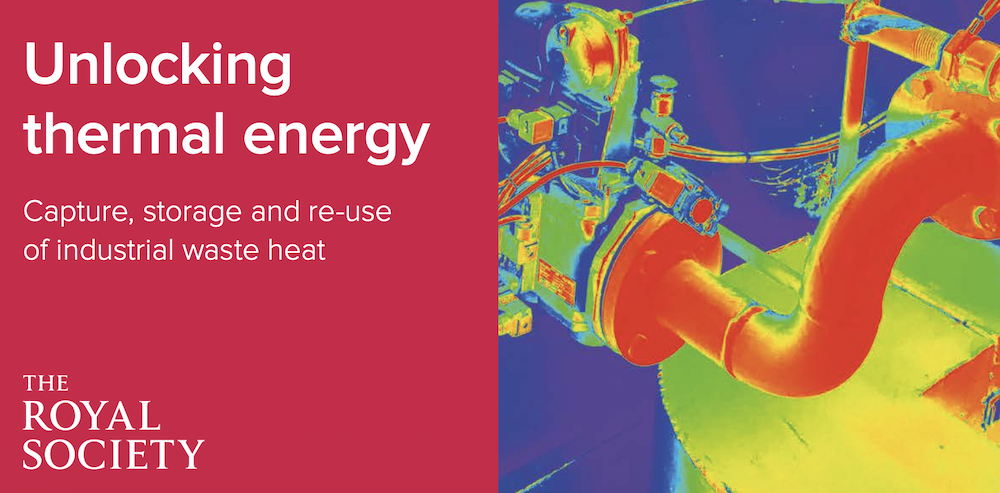
Royal Society report: Unlocking thermal energy

Developing systems to capture, store and reuse the vast amounts of waste heat generated through industry could be a huge opportunity for the UK to strengthen its industrial competitiveness and reduce operational costs for businesses, as well as accelerate progress towards net zero. Industrial heating accounts for around 14% of UK emissions, yet approximately half

Decoupling strategies in electrochemical water splitting

The storage of renewably-generated energy as hydrogen via the electrolysis of water is a fundamental cornerstone of a sustainable hydrogen economy. Conventional electrolysers usually require stable power inputs in order to operate effectively and safely and so may be unsuited to harnessing renewable power, which is often intermittent and diffuse. Professor Mark Symes, from the

On the thermal drift of an ATES system subject to different heating and cooling loads

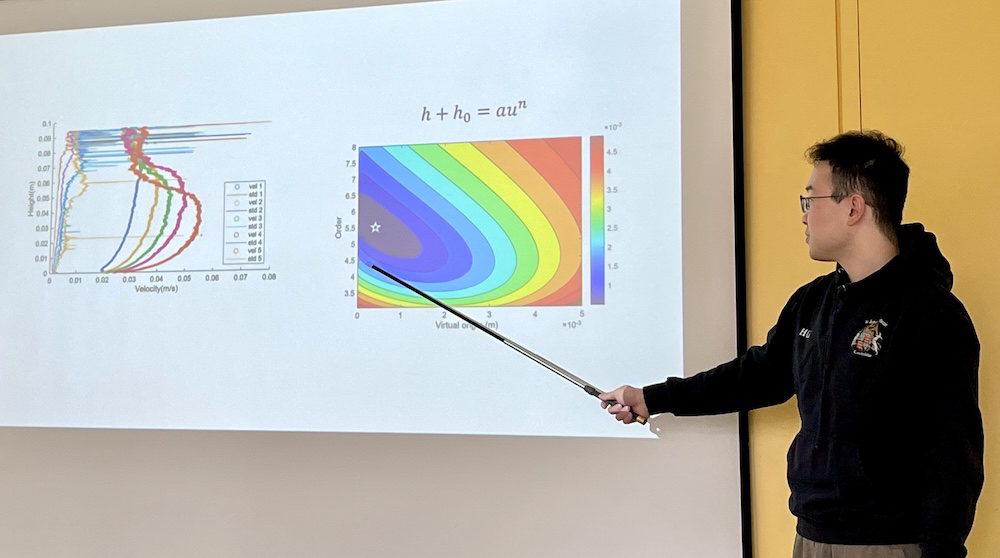
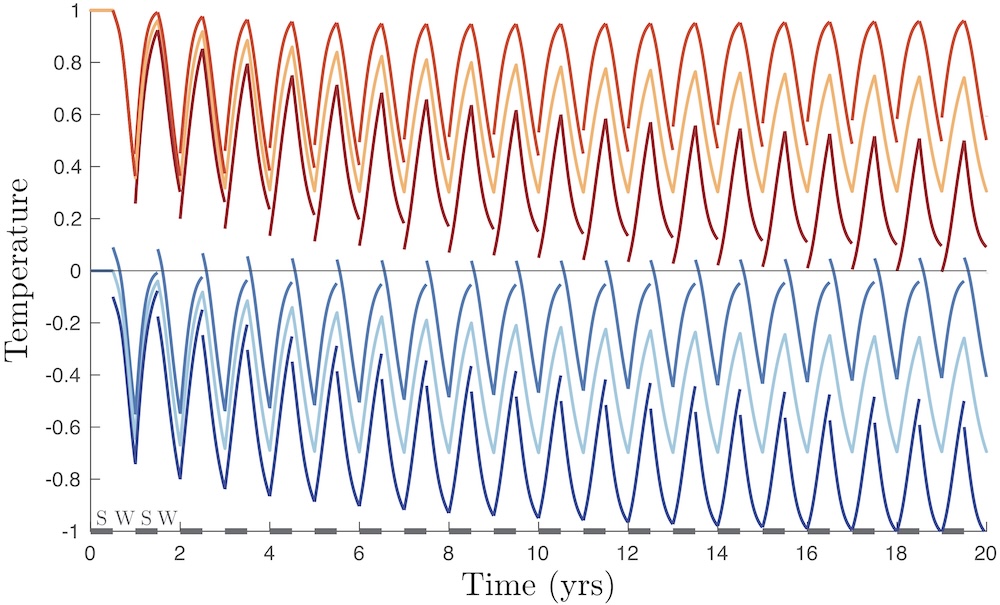
Aquifer thermal energy storage systems can provide a heat source in the winter by extracting warm water from a subsurface reservoir. The extracted fluid cools as it passes through a heat exchanger and is then injected into a colder aquifer. The cold fluid can provide a source of cooling in the summer, absorbing heat rejected

Decarbonisation of Industrial Clusters

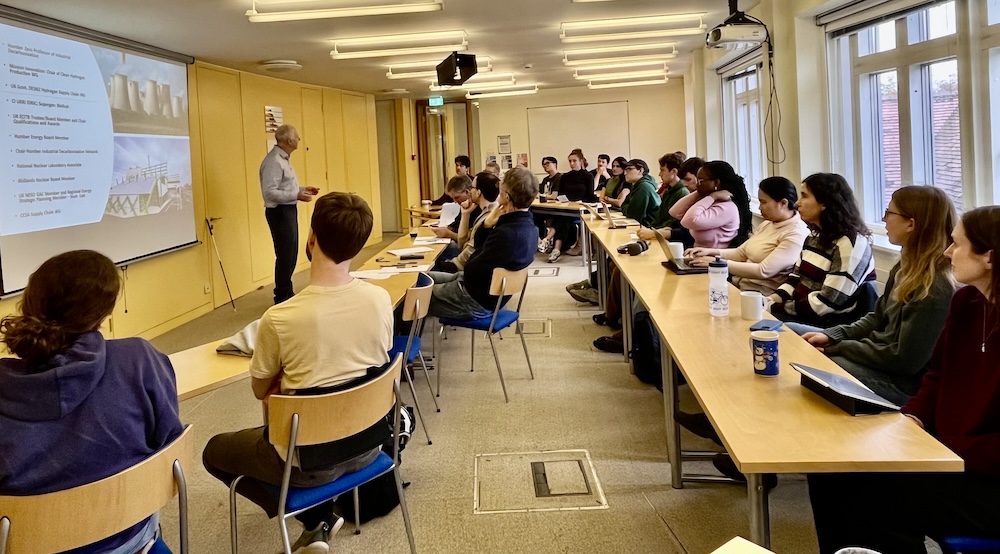
Professor Joe Howe is the Net Zero Professor at the University of Lincoln and the academic lead for the Humber Industrial Cluster. The Humber Cluster spans both banks of the Humber Estuary, connected by the Humber Bridge and hosting the ports of Goole, Grimsby, Hull, Immingham and Killingholme. £18 bn of the UK’s economy is