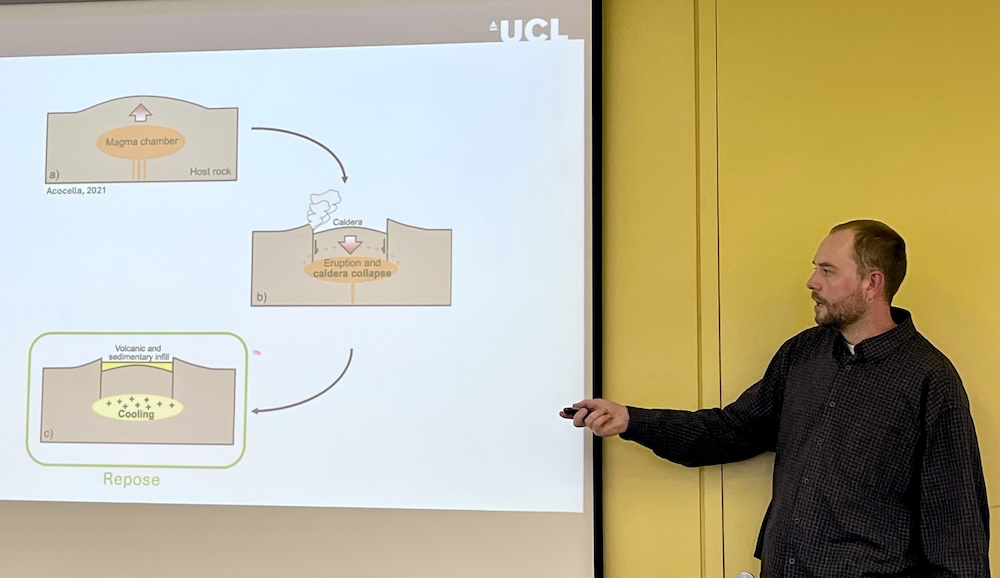
Forecasting volcanic eruptions

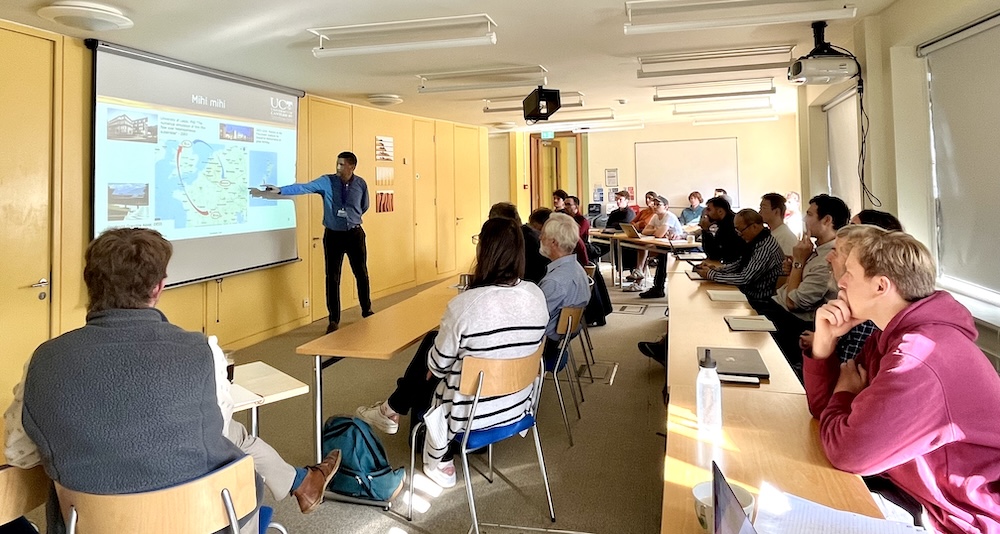
Volcanic eruptions threaten more than one in ten people worldwide, with the greatest risk at volcanoes reawakening after long quiescence. In these settings, eruptions are often explosive and nearby communities may be unprepared.  After obtaining his PhD at IEEF, Dr Eric Newland has been working on the NERC-funded project “FEVER: Forecasting Eruptions at Volcanoes after

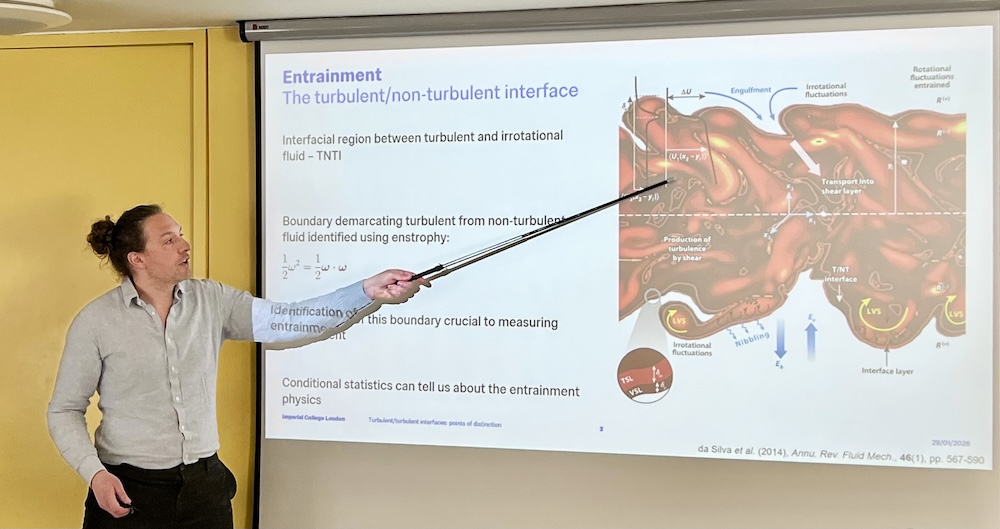
Entrainment across turbulent interfaces

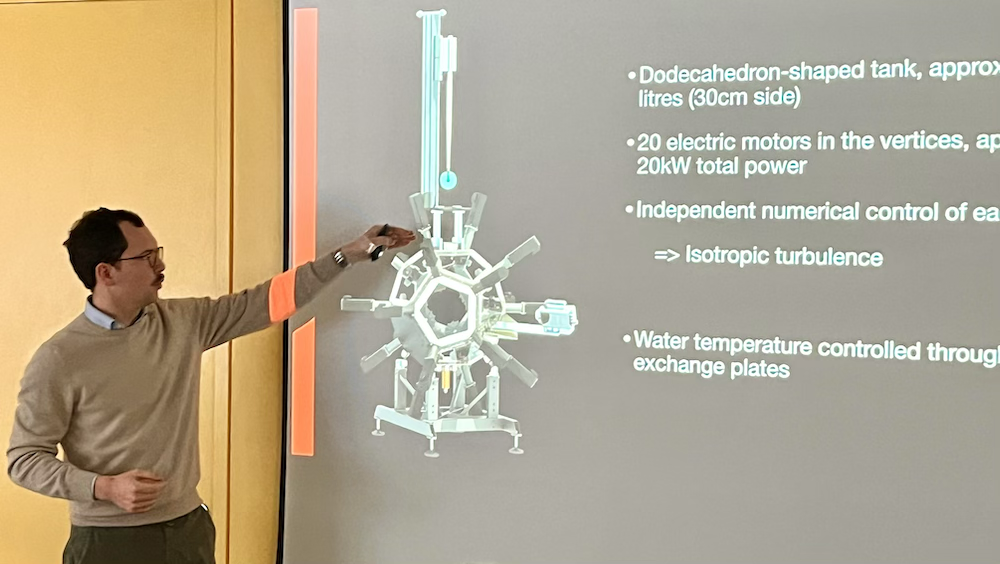
Turbulent flows are known to broaden with downstream distance, owing to the entrainment and mixing of ambient fluid into the flow. In the special case where the background is non-turbulent, the entrainment across the interface between the turbulent flow and the non-turbulent ambient is driven by viscous diffusion of the turbulent fluid into the ambient. 

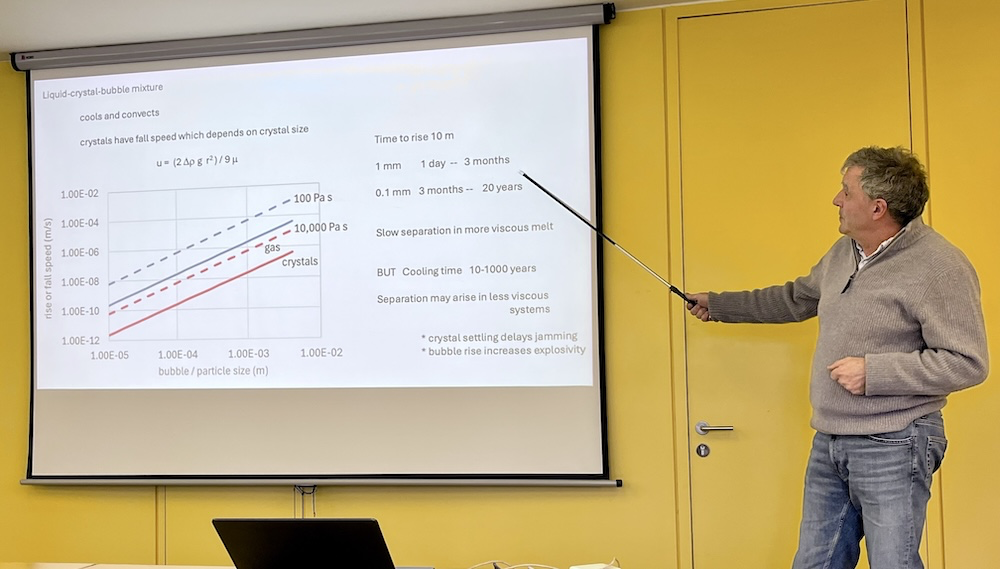
Multiphase flows in volcanic systems

This week’s scheduled speaker, Angus Fotherby, was unwell and could not give the first seminar of the new year. We wish him a quick recovery and hope he will be able to return before the end of term to tell us about Chromium contamination and remediation in India. Today, professor Andy Woods discussed a number

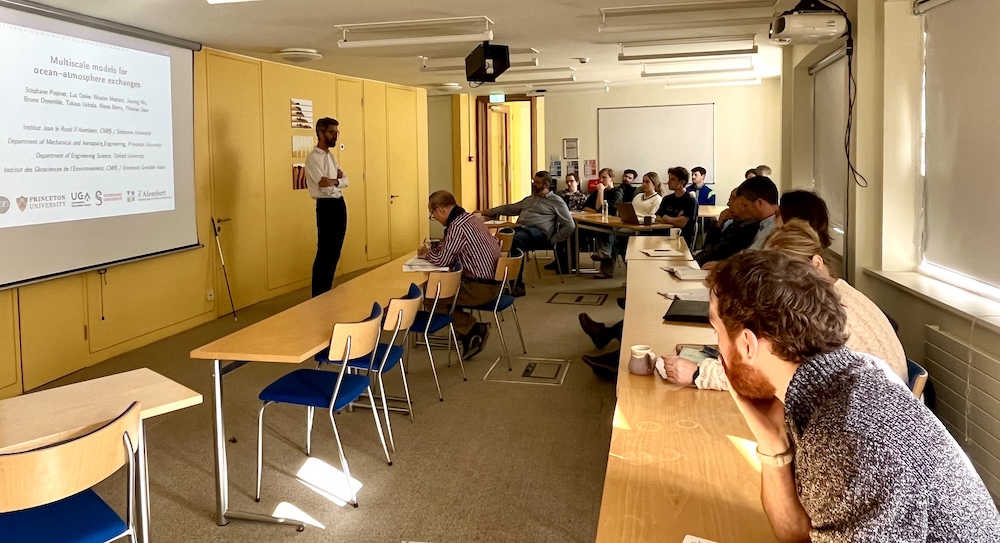
Multiscale models for ocean-atmosphere exchanges

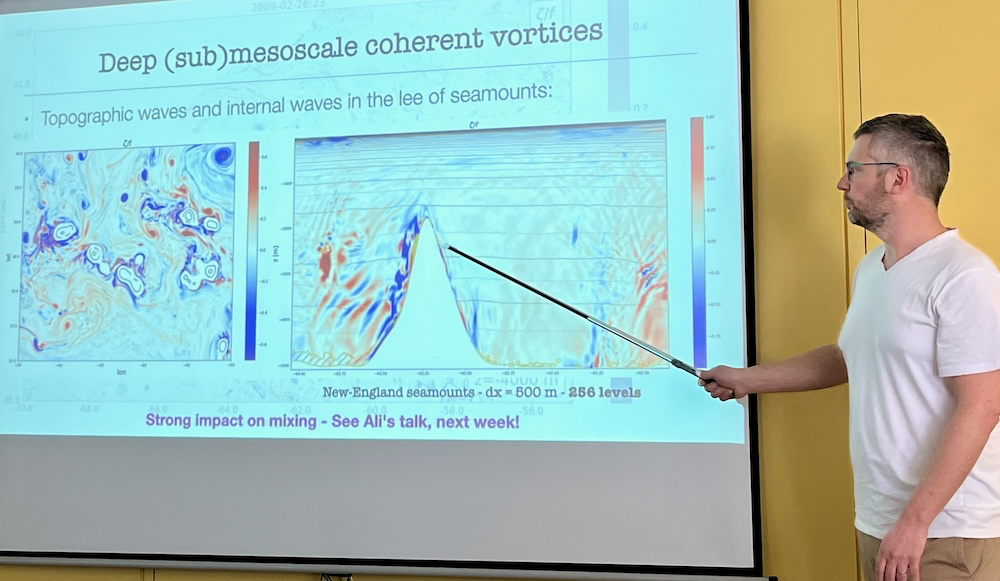
Wave breaking occurs at the ocean surface at moderate to high wind speeds, with significant impacts on the transfer of momentum, energy and mass between the ocean and the atmosphere. When waves break, the water surface overturns: this generates bubbles and sea spray and largely enhances the gas exchange.  Stéphane Popinet, from the Institut d’Alembert

Coastal upwelling in lakes

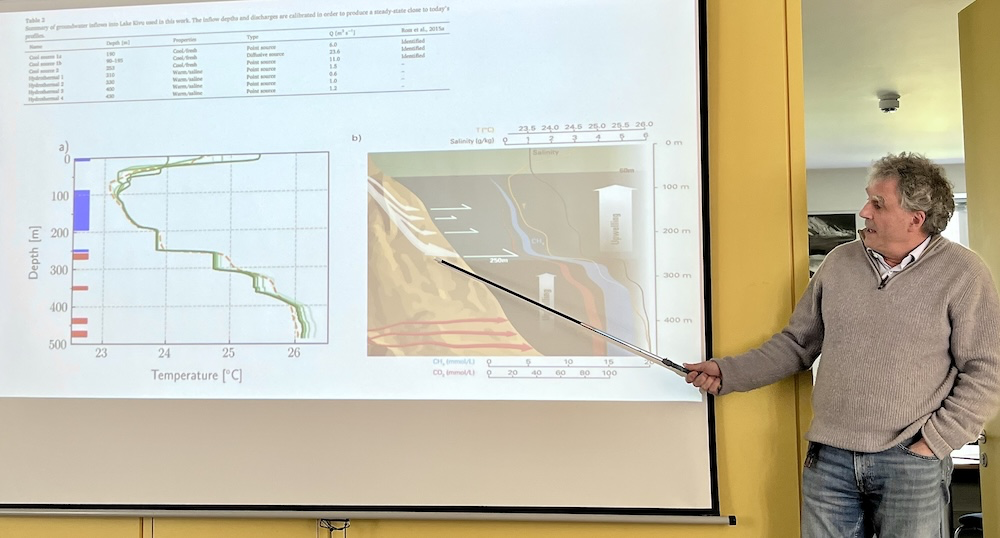
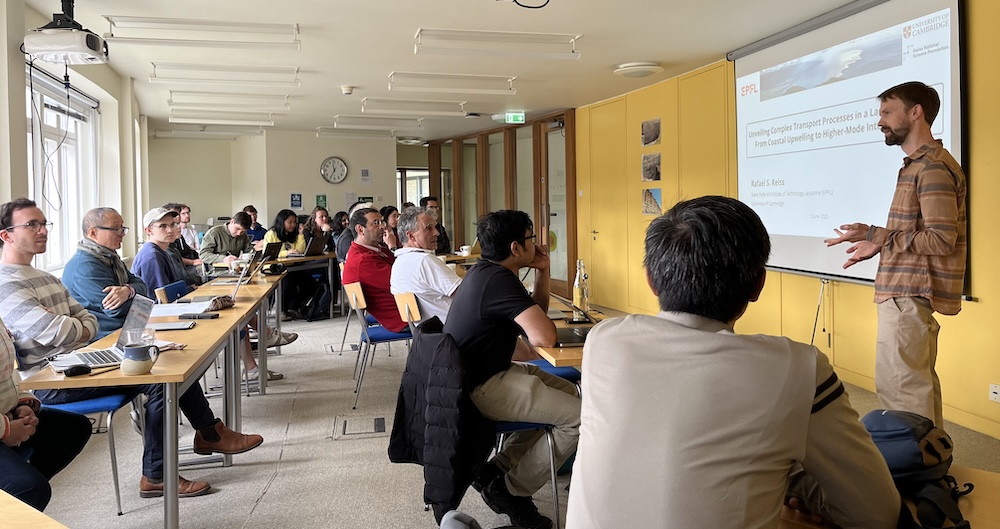
Large lakes tend to be thermally stratified, with a layer of relatively warm water near the surface, and a deeper layer of colder water underneath. The temperature of the surface water fluctuates over the year, while the temperature of the deeper water remains more stable: hence, the thermal stratification is strongest during the summer, when

Plumes in a turbulent cross-flow

During the second part of today’s seminar, MPhil student James Sear presented the results of his new experiments on turbulent plumes in a cross-flow. During the last few months, James has been studying what happens when a steady flux of contaminants are released into a river: the contaminants are transported by the current, while being

Measuring vertical mixing in the ocean using radium isotopes

The coastal ocean is a highly dynamic and vital biogeochemical mediator between land and sea. Coastal waters frequently experience poor water quality: this is partly due to submarine groundwater discharges, in which polluted water is released at the bottom of the ocean. These discharges are relatively poorly understood, and research is ongoing to characterise them.

Seasonal regimes of warm water intrusion toward Antarctic ice shelves

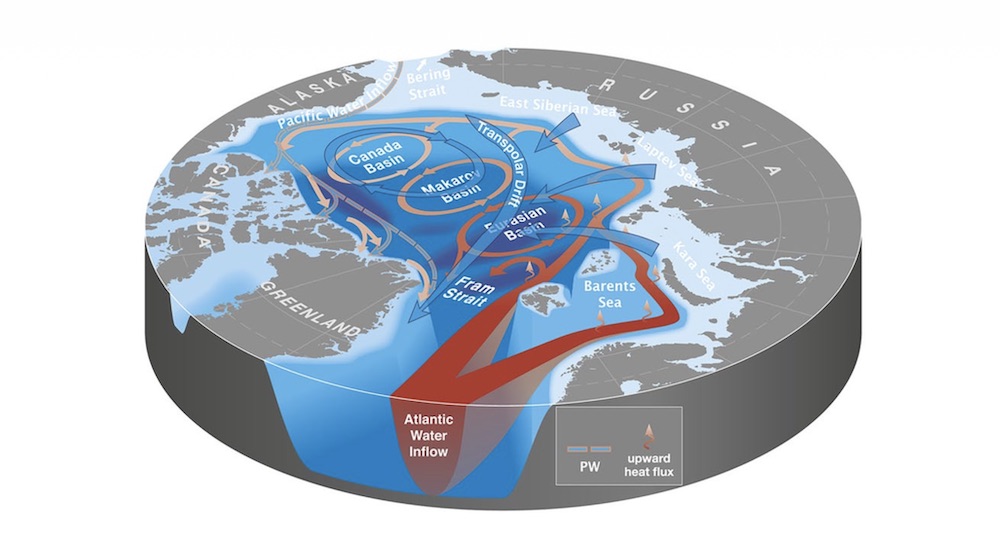
The future of floating Antarctic ice shelves is one of the principal uncertainties surrounding projections of future sea level rise. Melting of Antarctic ice shelves is caused by relatively warm and salty Circumpolar Deep Water currents upwelling from the ocean depth.  A recent article co-authored by Dr Ali Mashayek classifies near-shelf water masses using an